


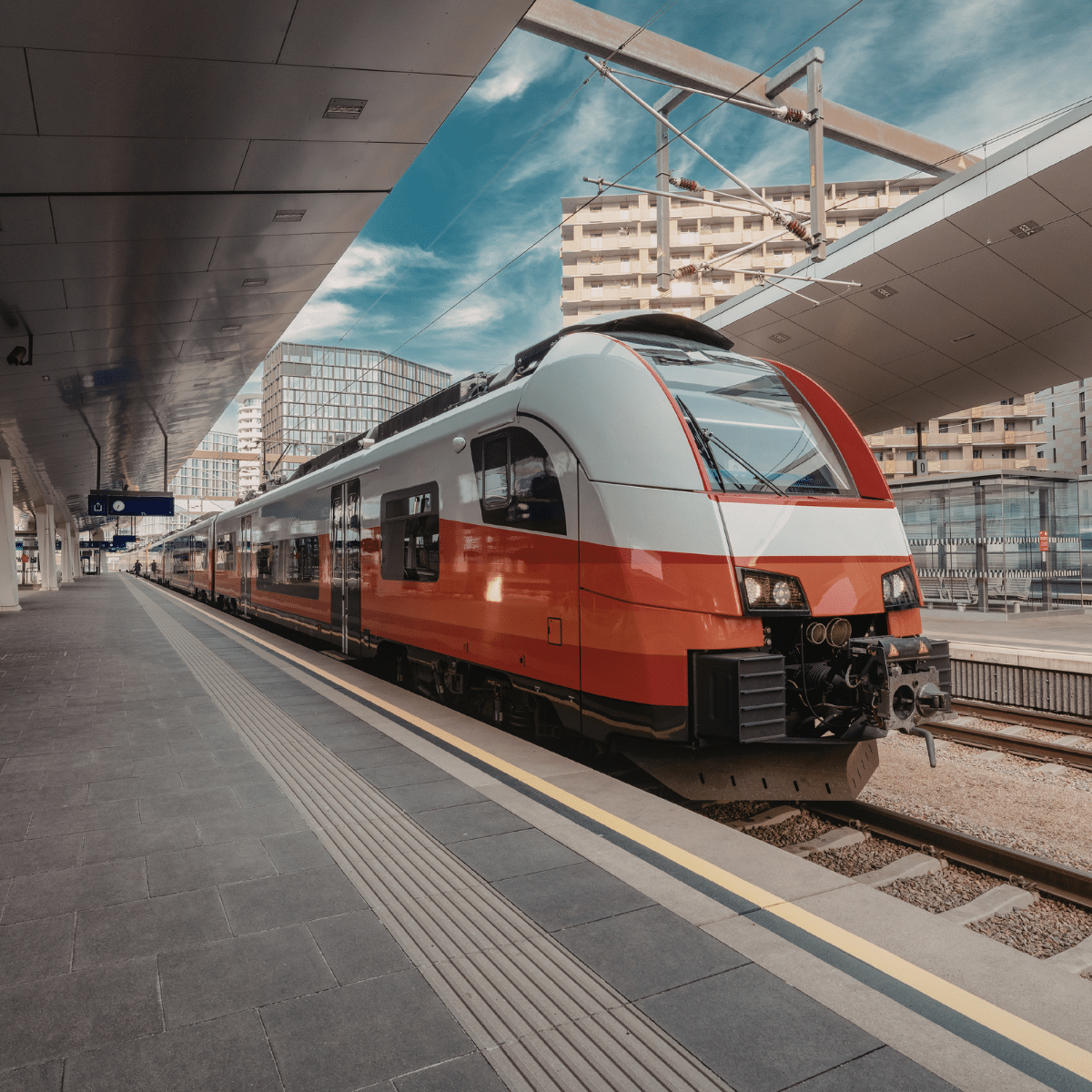
The Legislative Assembly of Costa Rica recently approved an international financing package aimed at developing strategic infrastructure, including the electric train project for the Greater Metropolitan Area (GAM).
The project envisions a railway network of approximately 52 kilometers connecting the provinces of Cartago, San José, Heredia, and Alajuela through an electrified double-track system featuring new stations and an estimated service frequency of one train every ten minutes.
The project will be financed through a package of approximately US $800 million, primarily provided by multilateral institutions, including the Central American Bank for Economic Integration (CABEI), the European Investment Bank (EIB), and the Green Climate Fund, together with counterpart funding from Costa Rica's Ministry of Public Works and Transport (MOPT).
What does the project include?
According to information released by Costa Rican authorities, the project includes:
- 28 electric trains.
- More than 30 stations and terminals.
- Modernization of existing railway infrastructure.
- Construction of grade separations and complementary works.
- New electrical substations to support system operations.
Infrastructure and proccurement opportunities
The development of the electric train project may create opportunities for local and international companies in areas such as public procurement, construction and engineering, energy and electrical infrastructure, technology services and digitalization, environmental and sustainability consulting, as well as project financing and structuring.
The participation of multilateral institutions in the financing structure may also result in procurement processes subject to international standards regarding transparency, compliance, and technical oversight.
In addition, projects of this scale typically involve multiple phases of implementation and procurement, including design, construction, operation, maintenance, equipment supply, and specialized support services, potentially creating opportunities for various stakeholders across the infrastructure and mobility value chain.
A project that coul redefine mobility in Costa Rica
If implemented according to the announced timeline and scope, the electric train could become one of the most transformative urban infrastructure projects undertaken in Costa Rica in recent decades.
For companies, investors, and regional stakeholders, the project represents not only a major mobility initiative, but also a clear indication of Central America's growing interest in attracting international financing for sustainable infrastructure, climate resilience, and urban modernization.