


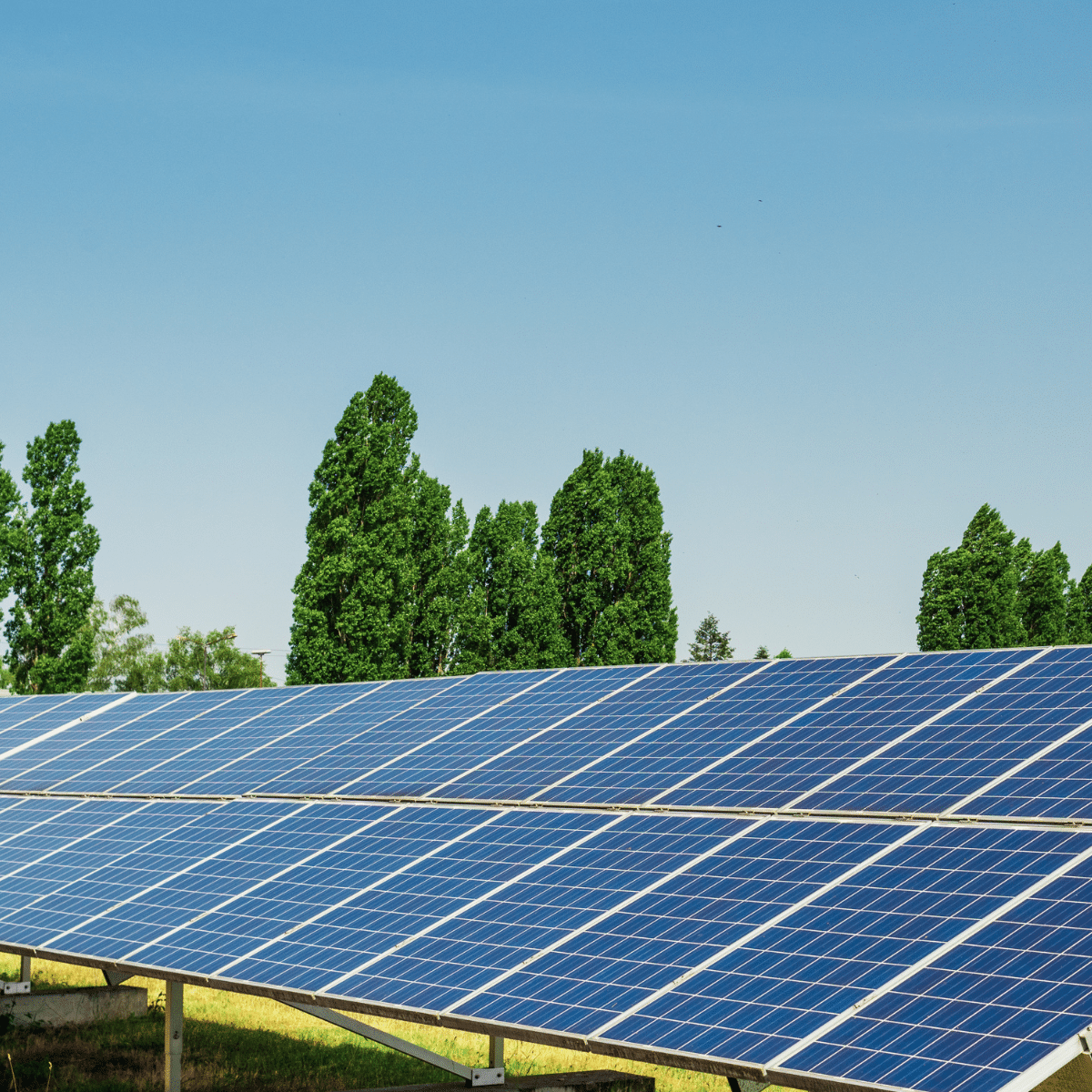
The Costa Rican Electricity Institute (ICE) launched the process for receiving proposals for the sale of energy from new photovoltaic solar plants with a capacity equal to or less than 20 megawatts (MW).
This process will remain open until October 8, 2025, and aims to further consolidate Costa Rica as a regional benchmark in clean energy. The projects must be located in the province of Puntarenas and, once operational, are expected to generate enough energy to supply 65,000 Costa Rican households. In addition to increasing the national electricity supply, these plants will help diversify the renewable energy matrix and strengthen resilience to climate variability, one of the sector’s main challenges.
ICE will only select entirely new projects, with a total capacity not exceeding 100 MW. This procurement adds to the 130 MW of solar and 80 MW of wind power awarded over the past year, as well as to the San Antonio, Abangares, and Las Delicias solar plants currently under construction under ICE’s management.
Beyond the energy contribution, this initiative also seeks to drive Costa Rica’s economic and social development. The construction and operation of these plants will create new jobs, promote investment in clean technologies, and boost both the local economy in Puntarenas and the national economy.
To participate, applicants must hold a valid declaratory of eligibility and have a preliminary connection allocation associated with the Parrita, Jacó, Cóbano, or Santa Rita substations, all strategically located to facilitate the integration of the new solar capacity into the national electricity system.
Proposals must be submitted in accordance with Law No. 7200 and its regulations, which authorize ICE to contract the purchase of renewable energy surpluses for a maximum period of 20 years, always within the current regulatory framework and with the approval of the Public Services Regulatory Authority (ARESEP).
With this new stage of bidding, Costa Rica reaffirms its regional leadership in renewable energy, strengthening the country’s energy security while advancing toward a more sustainable, competitive, and innovative model.